The primary difference in a car buying advocate vs broker is their loyalty and fee structure; advocates charge a flat fee to represent the buyer exclusively, whereas brokers often earn commissions from dealerships. Hiring an advocate ensures your representative is truly on your side because they do not profit from vehicle markups or dealer incentives. This transparency helps buyers secure the best price without the hidden conflicts of interest often found in traditional brokerage models.
Walking into a dealership often feels like a high stakes game where you lack the rulebook. To level the playing field, many shoppers turn to professional help, yet they often stumble into a confusing landscape of advocates and brokers. The distinction between these two roles is critical because it determines whose interests are actually being served during the negotiation. A broker might promise a deal while quietly collecting a fee from the dealer, whereas a true advocate remains loyal only to you. This article examines the core differences in their operational models and follows the money to show how payment structures dictate loyalty. You will learn how to identify warning signs of dealer-aligned consultants and discover the specific questions needed to protect your investment. By the end, you will know exactly how to ensure your representative is truly on your side.
Car Buying Advocate vs Broker: Understanding the Core Differences
Navigating the automotive market requires distinguishing between professionals who facilitate a sale and those who protect your interests. While the terms are often used interchangeably, the structural differences in a car buying advocate vs broker arrangement are profound. An auto broker typically operates as a licensed intermediary. They often maintain long-standing relationships with specific dealer networks or wholesalers to source inventory quickly. However, because brokers frequently receive compensation from the dealership for moving units, their loyalty is inherently divided. They are, in many ways, serving two masters.
In contrast, a car buying advocate functions as a private consultant hired exclusively by the consumer. YCBA provides these car buying concierge services with a mandate to represent the buyer alone. Unlike a broker, an advocate never takes title to a vehicle and does not maintain a preferred list of dealerships that pay for leads. This creates a fiduciary-like responsibility where the advocate’s only objective is to secure the best possible terms for the client through expert price negotiation.
Feature | Auto Broker | Car Buying Advocate (YCBA) |
|---|---|---|
Primary Client | Dealer and Buyer | Buyer Only |
Revenue Source | Dealer commissions or markups | Transparent client fee |
Inventory | Often limited to partner networks | Unlimited; market-wide search |
Loyalty | Divided | Exclusive to the buyer |
A broker’s incentive is often to close the deal as quickly as possible to collect a commission, which may not align with your goal of finding the highest value. If you want to ensure your representative is working solely for you, it is vital to book a free strategy call to vet their compensation structure before signing an agreement.
Follow the Money: How Payment Structures Dictate Loyalty
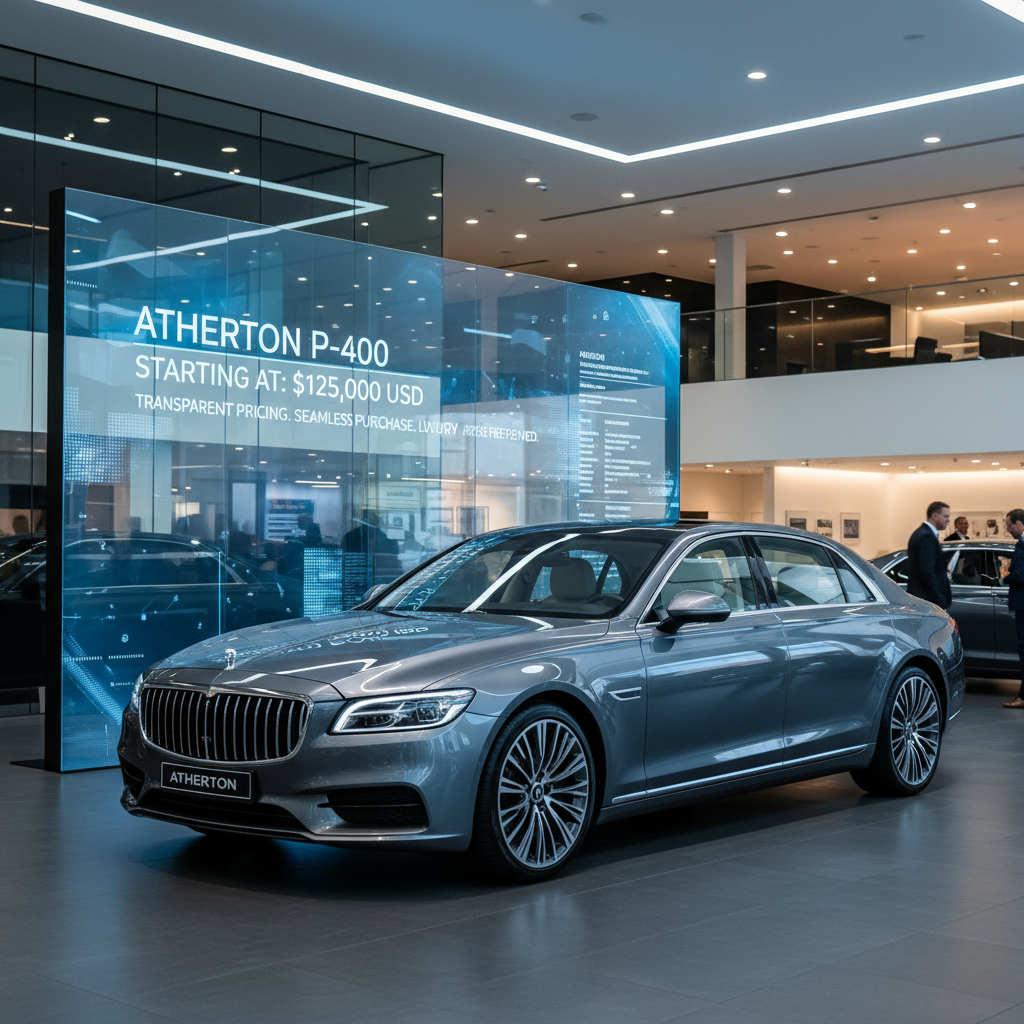
Understanding the financial incentives behind a transaction is the only way to truly distinguish a car buying advocate vs broker. The primary reason a broker can offer their services for a low upfront cost, or even for free, is the dealer kickback model. In this arrangement, the dealership pays the broker a commission or referral fee for every vehicle sold. This creates a structural conflict of interest; the broker is financially motivated to steer you toward specific dealership groups that offer the highest payouts or toward high-margin inventory that allows for a larger commission split.
This commission is never a gift from the dealership. It is a cost of sale that is inevitably baked into the vehicle’s purchase price, the interest rate, or the back-end products. By contrast, YCBA utilizes a transparent flat-fee model where the client is the sole source of compensation. This ensures that the consultant’s loyalty remains undivided.
Financial Factor | Dealer Commission Model (Broker) | Flat Fee Model (YCBA) |
|---|---|---|
Who Pays the Fee? | The Dealership | The Client |
Incentive Structure | Closing the sale at a higher margin | Securing the lowest possible price |
Inventory Scope | Limited to partner dealer networks | Market-wide search (any dealer) |
Hidden Costs | Fees are buried in the car's price | All costs are itemized and transparent |
When a service is marketed as free, you are not the client; you are the product being sold to the dealership. A true car buying advocate vs broker comparison reveals that paying a professional fee upfront is the only way to guarantee that your representative is conducting expert price negotiation without a hidden agenda. This fee-only structure allows us to vet every dealership in the country, not just the ones willing to pay for leads. If you are unsure how a specific service is compensated, you should book a free strategy call to ask for a full disclosure of their revenue sources before proceeding. A legitimate advocate will provide a clear, written agreement stating they accept no funds from dealerships.
Five Warning Signs Your Advocate Might Be Working for the Dealer

Distinguishing between a genuine representative and a disguised salesperson requires a close look at the service's behavior during the search. When the incentive structure is compromised, several specific patterns emerge. These red flags indicate that a service may be operating under a dealer commission model rather than providing true car buying concierge services.
Monopolized Recommendations: They steer you exclusively toward one specific dealership group or wholesale partner. A true advocate searches the entire market to find the right vehicle, regardless of who owns the lot.
Opaque Financials: They refuse to provide a written disclosure of how they are being paid. A fiduciary relationship requires full transparency; if they cannot confirm in writing that they receive zero dollars from dealerships, they are likely a broker.
Brand Rigidity: They discourage you from exploring alternative brands or models that meet your functional needs. This often happens when a broker has a preferred relationship with a specific manufacturer's network.
Rushing the Back End: They focus only on the sticker price while ignoring the financing, service contracts, and warranties. Dealers often concede on the sales price to recoup profit in the finance office. An advocate provides expert price negotiation across the entire deal, not just the MSRP.
The Zero Dollar Fee: Their service fee is $0. Business entities do not operate for free; a $0 fee is the most definitive indicator that the dealership is paying them a commission that is ultimately hidden in your purchase price.
A legitimate advocate provides a comprehensive paper trail of the entire process. You should receive documentation of the initial dealer offers, the subsequent counter-offers, and a clear breakdown of the final negotiated terms before you sign any contracts. If you encounter these red flags, book a free strategy call to ensure your interests remain the priority throughout the transaction.
Key Questions to Ask Before Hiring a Car Buying Service
Identifying red flags is easier when you ask the right discovery questions during your initial consultation. To distinguish the value of a car buying advocate vs broker, you must demand transparency regarding their operational incentives. Start with the most critical question: "Do you accept any form of compensation, referral fees, or kickbacks from dealerships or wholesalers?" A "Yes" to this question is an immediate deal breaker. If a service receives even a small percentage from the seller, their loyalty is divided; they are financially incentivized to protect the dealer’s profit margin rather than your savings.
Follow up with these tactical queries to verify their expert price negotiation methods:
"Will you negotiate the trade-in value and financing terms separately from the vehicle purchase price?" This prevents the dealer from using a "shell game" to hide high interest rates or low trade-in offers behind a discounted sticker price.
"Can I see the itemized breakdown of the dealer's initial offer compared to the final negotiated price?" A legitimate provider of car buying concierge services will provide a clear audit trail of the savings achieved.
"Do you have any contractual obligations to specific dealership groups?"
Before committing, book a free strategy call to hear these answers directly. A firm that refuses to provide these details in writing is likely prioritizing dealer relationships over your bottom line. An advocate’s value is rooted in total independence from the supply side of the market.
Beyond the Sticker Price: How Real Advocates Protect Your Entire Deal

Focusing solely on the MSRP or the discounted sales price is a common mistake that dealerships capitalize on. In a car buying advocate vs broker comparison, the depth of financial scrutiny varies significantly. While a broker might negotiate a discount on the sticker price to secure their commission, they often disregard the back end of the deal. Because a broker’s compensation is frequently tied to the vehicle being sold, they have little incentive to fight against inflated documentation fees or high interest rates that benefit the dealer.
A true advocate prioritizes the Out the Door (OTD) price. This figure encompasses every cent you will pay, including taxes, registration, and the often predatory junk fees that appear in the final stages of a transaction. YCBA’s car buying concierge services involve a rigorous audit of the dealer’s itemized quote to strip away unnecessary add-ons.
Common Junk Fee | Typical Cost | Advocate Action |
|---|---|---|
Nitrogen-filled Tires | $199 to $599 | Remove; standard air is already 78% nitrogen. |
VIN Etching | $200 to $800 | Decline; rarely provides meaningful theft protection. |
Excessive Doc Fees | $500 to $1,000+ | Negotiate down to state averages or offset elsewhere. |
PDI or Preparation Fees | $400 to $900 | Ensure these are not duplications of manufacturer costs. |
Beyond these add-ons, expert price negotiation extends to the finance office. Dealers often mark up interest rates provided by lenders to increase their profit margin. We review the final sales contract line by line to ensure the agreed-upon terms have not been quietly adjusted. If you want a professional to audit your next vehicle purchase for hidden costs, book a free strategy call to learn how we protect your total cost of ownership.
Is a Car Buying Advocate Worth the Investment?
Determining the value of professional assistance requires looking at the net financial outcome rather than the upfront service cost. For a typical $40,000 SUV, a client might pay a flat fee ranging from $500 to $1,000 for car buying concierge services. In exchange, an advocate often secures $3,000 or more in total savings by stripping away market adjustments, lowering interest rates, and removing backend fees.
In the car buying advocate vs broker debate, the financial disparity becomes clear when you look at the hidden costs. A broker, whose fee might be lower or paid by the dealer, may successfully negotiate $500 off the sticker price. However, because they are not auditing the entire contract, the dealer might simultaneously inflate a service contract or warranty by $1,500. The broker achieves a win on paper, but the buyer loses $1,000 in the net transaction.
Item | Without Advocate | With Advocate (YCBA) |
|---|---|---|
Vehicle Sales Price | $40,000 | $38,500 |
Dealer Add-ons | $1,200 | $0 |
Interest Rate Markup | $1,800 | $0 |
Professional Service Fee | $0 | $750 |
Net Investment | $43,000 | $39,250 |
Beyond the expert price negotiation, the primary return on investment is the reclamation of your time. The average car buyer spends over 12 hours researching, visiting lots, and sitting in the finance office. An advocate handles every phone call and email, delivering a finalized deal for your signature. If your time is valued at even a modest hourly rate, the service pays for itself before you even step foot in the dealership. To see how these savings apply to your specific search, book a free strategy call to review current market data for your preferred model.
Choosing between a broker and an advocate comes down to understanding whose interests are being served. While brokers often have ties to dealerships, a true advocate works exclusively for you to ensure the best possible outcome. If you feel you would benefit from expert help during your next purchase, we invite you to learn more about our team and how we protect buyers. Having a dedicated professional on your side can make all the difference in your car buying experience.